Ecosystem Processes

The coral reef ecosystem is wonderfully diverse. The organisms work together in various complex processes to establish a well-balanced ecosystem to thrive. The essential processes behind the coral reef ecosystem are bio-erosion and nutrient cycling. Let's get to know how these processes work.

Nutrient Cycle

Nutrient cycling helps to restore balance in the reef ecosystem to keep it functioning. All marine organisms, living and non-living depend on one another to allow nutrients to be recycled in the ocean. The introduction of nutrients from runoffs or pollutants allows nutrients such as carbon dioxide, phosphorus, and nitrogen to be dissolved into the ocean. These nutrients will be absorbed by the zooxanthellae, photosynthetic algae that lives within the coral reefs. It helps corals to process the nutrients to be utilized for growth and photosynthesis.

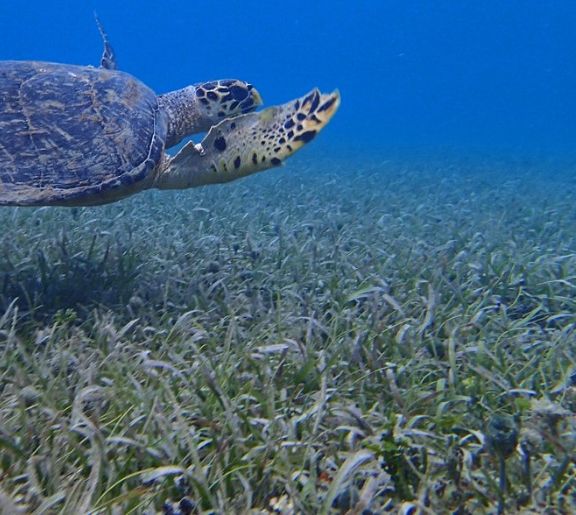
Seagrass and seaweed will also process these nutrients for photosynthesis, The oxygen produced by photosynthesis will be absorbed by other marine animals for respiration. The marine animals will also excrete waste, in which the waste consists of fecal materials and nutrients as well.
Bio-Erosion

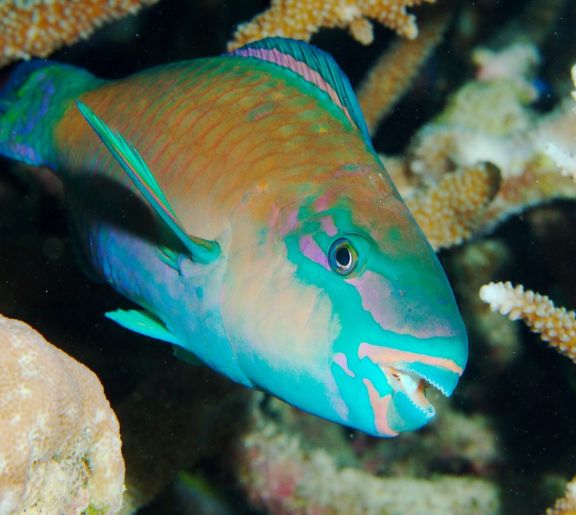
Bio-erosion refers to the removal of material by living organisms. Calcium carbonate from coral reefs is broken down by bio-eroders into rubble and fine sand. Bio-erosion is a naturally occurring process that is essential in making room for new corals to grow.

Parrotfish, sea urchins and bivalves are considered bio-eroders as the scraping, drilling and boring activity during their feeding is able to break down substrate found on the hard corals. The eroded material will fall into the seafloor to help form sediments for substrates such as corals to attach.